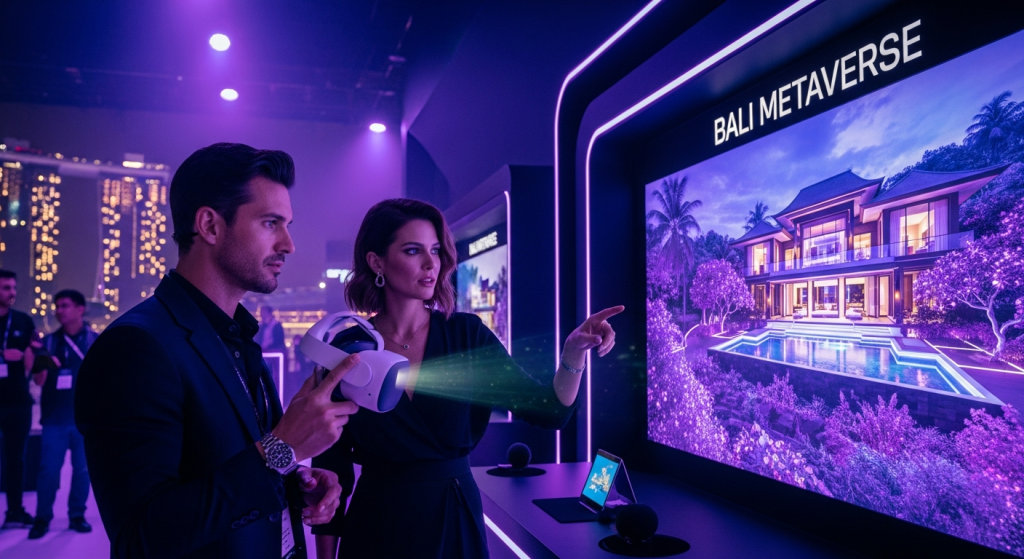
Bali’s air, thick with the scent of frangipani and sea salt, shifts through the year. This island, a physical nexus for Web3 innovation, offers distinct seasonal rhythms, each presenting unique advantages for the Bali Metaverse. Understanding these patterns provides an insider’s edge for developers, hoteliers, and digital nomads building within this immersive digital twin.
The Dry Season Advantage: Optimal Conditions for Physical and Digital Exploration (April – September)
Between April and September, Bali experiences its dry season, a period characterized by clear skies, abundant sunshine, and lower humidity. Average daily temperatures hover around 28°C (82°F), with humidity levels often dropping to 70-75%. This window proves ideal for physical site visits crucial for digital twin creation, especially across the rugged Bukit Peninsula, including Pecatu and its surrounding areas. Property developers conducting high-resolution LiDAR scans or photogrammetry for luxury villas and resorts find these conditions perfect. The absence of rain ensures uninterrupted data capture, vital for accurately replicating real-world assets into VR and AR environments. For instance, creating a precise digital replica of the Uluwatu Temple cliffside, a significant landmark attracting over 1.5 million visitors annually, becomes far more efficient.
The dry season also facilitates outdoor Web3 meetups and networking events. Imagine an AR-enhanced art exhibition along Canggu’s Echo Beach, where digital overlays transform physical sculptures. Web3 founders evaluating Bali as a base often prefer this period for its ease of movement and vibrant social scene. The Global Web3 Summit, if physically hosted, would find optimal conditions during these months, attracting international delegates. Ngurah Rai International Airport (DPS) sees its highest traffic, connecting Bali to global Web3 hubs like Singapore, a flight often completed in just 2.5 hours. Developers can easily scout locations for future metaverse integrations, from the planned Pecatu Web3 cluster to the bustling Kuta beachfront. The average rainfall during these months typically stays below 90mm, significantly less than the wet season’s peak.
Monsoon Season Insights: Strategic Windows for Immersive Development (October – March)
From October to March, the monsoon season arrives, transforming Bali with daily tropical showers. While rainfall can average 250-350mm per month, particularly in December and January, this period offers a different strategic advantage: focused internal development. The air becomes heavy, yet the island’s lush landscapes deepen to an intense emerald green. Savvy Web3 teams utilize these months for intensive coding, 3D modeling, and VR experience design, where outdoor conditions hold less sway. Lower physical tourist density translates into quieter co-working spaces and a more concentrated environment for creative output. Developers working on advanced XR applications, such as metaverse concierge services for hotel groups or interactive NFT galleries, find fewer distractions.
The monsoon’s unique atmosphere also inspires distinct virtual aesthetics. Imagine rain-streaked digital twins of Ubud’s rice terraces or the dramatic lighting within a VR experience depicting a Balinese storm. This period is excellent for refining the backend infrastructure of the Bali Metaverse, stress-testing server loads, and integrating complex smart contracts. For virtual tourism explorers, the monsoon can offer unique digital content opportunities, showcasing Bali’s raw, powerful beauty without the physical discomfort. Hotel groups planning metaverse integrations for future guests can dedicate these months to training staff on avatar interaction and virtual property tours, leveraging the reduced occupancy to focus on internal innovation. The average temperature remains warm, around 27°C (81°F), maintaining comfort indoors.
Shoulder Seasons: Bridging Worlds for Hybrid Experiences (March-April & September-October)
Bali’s shoulder seasons, typically late March through April and late September through October, represent a sweet spot, offering a harmonious blend of optimal weather and fewer crowds. These periods bridge the intensity of the peak dry and wet seasons, providing a balanced environment for both physical scouting and digital development. Average temperatures hover comfortably at 28-29°C (82-84°F), with reduced humidity compared to the monsoon, yet the landscapes retain their verdant appeal. Rainfall is moderate, usually around 100-150mm per month, allowing for consistent outdoor activities interspersed with productive indoor work. This makes the shoulder seasons ideal for MICE delegations testing immersive event technology. A hybrid conference, for example, could host physical attendees at a venue in Nusa Dua while simultaneously streaming AR-enhanced presentations to virtual participants globally.
Property developers find these months perfect for discreet site surveys and initial digital twin modeling, benefiting from fewer onlookers and more flexible local schedules. The island’s energy is vibrant but not overwhelming, fostering focused collaboration. For NFT collectors, these periods might align with specific art exhibitions or community gatherings that blend physical presence with digital asset showcases. The Bali Metaverse thrives during these times, as it can host both virtual events that leverage the island’s cultural calendar and physical meetups for Web3 founders seeking a balanced lifestyle. Travel costs, including flights and accommodations, often see a slight dip compared to peak dry season, making it an economically attractive time for international teams to converge.
The Digital Nomad Ecosystem: Year-Round Engagement in Canggu & Ubud
The digital nomad ecosystem in Bali, particularly concentrated in Canggu and Ubud, operates with a unique rhythm, largely independent of traditional seasonality. Canggu, with its numerous co-working spaces like Dojo Bali and Outpost, maintains a bustling Web3 scene throughout the year. These hubs facilitate constant networking, skill-sharing, and project collaboration, whether the sun shines or rain falls. The average cost for a co-working membership ranges from $100-$200 USD per month, providing stable infrastructure for remote work. Ubud, known as a creative+tech hub, offers a more serene environment for deep work and innovation, attracting developers and artists focused on avatar design, virtual reality content, and blockchain art. Its proximity to the UNESCO World Heritage-listed Subak irrigation system provides a unique backdrop for digital inspiration.
This year-round activity means that the Bali Metaverse is in constant development and expansion. Virtual events, NFT drops, and digital land sales occur irrespective of weather patterns. Web3 founders establishing a Bali base can find a supportive community at any time, accessing talent for XR development or blockchain integration. The consistent flow of international talent, often arriving from Singapore, ensures a dynamic exchange of ideas. The island’s infrastructure, including high-speed internet in key areas, supports this continuous digital engagement. For virtual tourism explorers, the digital nomad community itself becomes a rich source of content and interaction within the metaverse, offering insights into their unique lifestyle and contributions to the Web3 landscape. Over 20,000 digital nomads are estimated to reside in Bali at any given time, maintaining a robust, active ecosystem.
Strategic Calendar Alignment: Major Web3 Events & Global Flow from Singapore
Aligning with global Web3 events and the strategic flow from Singapore, a major Web3 hub, significantly impacts the optimal timing for engaging the Bali Metaverse. While Bali hosts its own burgeoning scene, its proximity to Singapore (a 2.5-hour flight) means many international Web3 professionals transit through or extend their stays from major conferences there. Events like Token2049, often held in Singapore in September, create a subsequent surge of interest in Bali as a destination for post-conference networking, project development, and relaxation. This makes late September and October a prime window for the Bali Metaverse to host satellite events, workshops, or exclusive NFT collector gatherings, leveraging the influx of high-profile individuals.
Moreover, the global Web3 calendar, including major blockchain summits and developer conferences, can dictate peak periods for virtual engagement. For instance, a significant metaverse platform launch or an anticipated NFT marketplace update might align with quieter physical seasons in Bali, allowing local teams to focus on digital delivery without the distractions of peak tourism. This strategic foresight allows property developers to time the unveiling of their digital twin tours, or hotel groups to launch metaverse concierge pilots, to coincide with maximum global Web3 attention. Singapore’s robust regulatory framework and investment in Web3 infrastructure make it a natural partner, ensuring a continuous pipeline of talent and capital that can flow into Bali. The frequency of flights between Changi Airport (SIN) and Ngurah Rai (DPS) often exceeds 20 daily, underscoring this vital connection.
Local Rhythms & Cultural Calendar: Enhancing the Metaverse Narrative
Bali’s unique cultural calendar profoundly influences local life and presents compelling opportunities for the Bali Metaverse. Traditional Balinese holidays, deeply rooted in Hindu-Dharma practices, offer rich narrative potential for digital twin developers and virtual tourism experiences. Nyepi, the Day of Silence, typically observed in March or April (date varies annually based on the Balinese Saka Calendar), sees the entire island shut down for 24 hours. This unique phenomenon could be digitally replicated, offering a VR experience of absolute stillness. Galungan and Kuningan, celebrated every 210 days, involve elaborate ceremonies and offerings, transforming villages with bamboo penjor decorations. Incorporating these vibrant cultural elements into the metaverse provides authentic content, enriching the virtual experience beyond mere replication.
Understanding these local rhythms is also crucial for practical planning. During major holidays, local services might operate differently, affecting physical scouting for digital twin projects or the availability of local talent for XR development. Savvy developers schedule intensive physical work outside these periods to avoid disruptions. Conversely, these cultural moments offer a chance for Web3 teams to connect with the island’s soul, fostering a deeper understanding that can be translated into more nuanced and respectful metaverse content. Imagine an AR overlay on a traditional Balinese dance performance, providing historical context and interactive elements. The local wisdom, passed down through generations, can inform the ethical and community-centric development of the Bali Metaverse, ensuring it respects the island’s unique identity. Over 90% of Bali’s population identifies as Hindu, making these cultural events central to daily life. For further insights into Balinese culture and holidays, consult Wikipedia’s Balinese calendar entry.
Optimizing for Specific Stakeholders: Developers, Hoteliers, Collectors, MICE
For property developers, the dry season (April-September) stands as the primary window for high-accuracy physical scanning and data acquisition for digital twin projects in areas like Pecatu and Bukit. The clear skies and minimal rain ensure optimal conditions for LiDAR and drone photogrammetry. During the monsoon, focus shifts indoors to rendering, modeling, and integrating architectural blueprints into XR environments. Hotel groups exploring metaverse concierge services or virtual property tours find the shoulder seasons (March-April, September-October) ideal for pilot programs and staff training, leveraging moderate occupancy and stable weather. This allows for seamless integration of VR tours of amenities like the Mandapa, a Ritz-Carlton Reserve in Ubud, or the Finns Beach Club in Canggu.
Web3 founders evaluating Bali as a base benefit from the dry season for networking and community engagement in Canggu, while the monsoon can be a period of intense focus for development. NFT collectors find value in aligning their visits with specific virtual events or quieter periods for exclusive gallery viewings and community building. MICE delegations testing immersive event technology often prefer the shoulder seasons for the balance of good weather and competitive venue availability, ensuring a smooth experience for hybrid events. Virtual tourism explorers can engage with the Bali Metaverse year-round, accessing content that reflects all seasons, from sun-drenched beaches to rain-washed rice paddies. For comprehensive travel information and weather patterns, Indonesia.travel offers valuable resources.
The Bali Metaverse represents more than just a digital space; it embodies the island’s evolving narrative. Whether you are a developer charting new digital frontiers, a hotelier redefining guest experiences, or a Web3 founder seeking your next inspiration, Bali offers a dynamic canvas. Explore how our platform can elevate your vision – connect with us today and begin your journey into Bali’s immersive future.