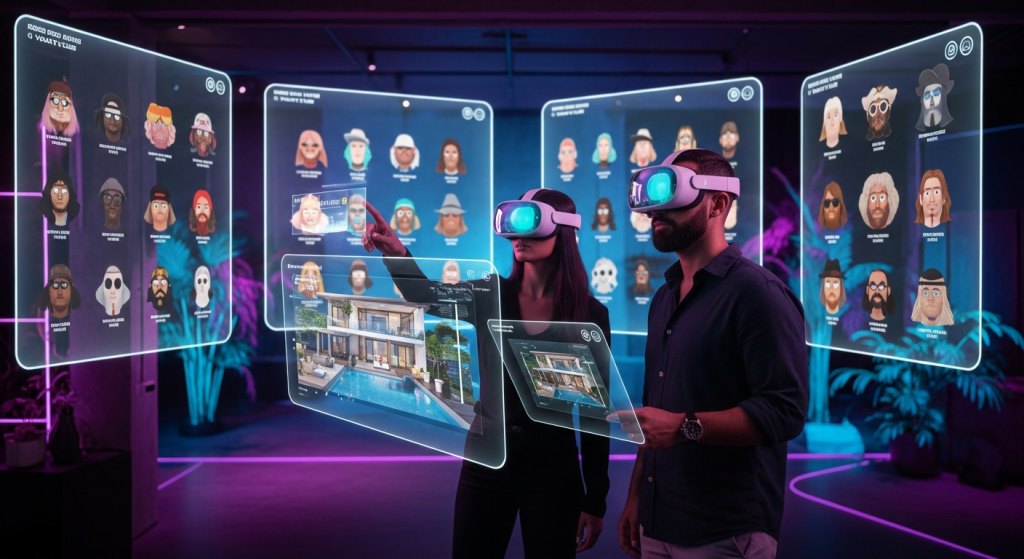
The scent of frangipani mixes with the hum of processors; the future of luxury travel and digital innovation converges on the island of Bali. This dynamic intersection defines the Bali Metaverse, a new frontier where physical and digital realms intertwine, offering unprecedented opportunities for Web3 pioneers and global explorers.
Defining the Bali Metaverse: A Digital Twin Ecosystem
The Bali Metaverse is not a singular platform but an evolving ecosystem, a digital twin of Indonesia’s iconic island, powered by Web3 technologies. It functions as a persistent, shared virtual space where digital assets hold real-world value, and interactions transcend geographical boundaries. This digital extension allows property developers to showcase projects in Kuta or Pecatu, hotel groups to offer metaverse concierge services, and Web3 founders to establish a virtual presence alongside their physical operations. Key zones like the Bukit Peninsula, particularly Pecatu, are emerging as focal points for this digital transformation, attracting significant investment in both physical infrastructure and its digital counterpart. The region, known for its luxury resorts and surf breaks, now sees its landscapes mapped into high-fidelity digital twins. For instance, a 2023 report from the Indonesian Ministry of Tourism and Creative Economy highlights a 15% increase in tech-tourism initiatives across Bali. These initiatives frequently involve photogrammetry and LiDAR scanning processes, capturing the precise topography of areas like the Garuda Wisnu Kencana cultural park, a 60-hectare site featuring a 121-meter tall statue, to create highly accurate digital representations. The integration of blockchain technology ensures secure ownership of digital assets and transparent transactions within this burgeoning virtual economy. This foundational layer supports everything from virtual land sales to NFT-backed access passes for exclusive events. The vision extends to creating interoperable experiences, where avatars can seamlessly transition between different metaverse platforms, carrying their digital identities and assets. This open standard approach is crucial for fostering a truly expansive and inclusive Bali Metaverse.
Web3 Founders and the Bali Base: Regulation and Infrastructure
Bali has rapidly solidified its reputation as a global hub for Web3 founders and digital nomads, a status reinforced by its progressive stance on technology and lifestyle. The Indonesian government, through initiatives like the Digital Nomad Visa, introduced in 2022, actively encourages tech professionals to establish a base on the island. This visa allows individuals to reside and work remotely for up to five years without paying Indonesian income tax on foreign-sourced earnings. Major Web3 projects and startups now operate from co-working spaces in Canggu and Ubud, where high-speed internet infrastructure supports their demanding operations. Fiber optic cables extend across 90% of South Bali, offering speeds up to 1 Gbps in many commercial and residential areas. The island’s proximity to Singapore, a recognized global Web3 hub, further strengthens its position. Many Bali-based Web3 companies maintain a dual presence, leveraging Singapore for regulatory clarity and funding, while benefiting from Bali’s creative energy and lower operational costs. The Singapore Web3 HQ model provides a strategic advantage, facilitating international partnerships and investment flows. Regulatory frameworks, while still evolving, are increasingly accommodating to blockchain innovation. The Commodity Futures Trading Regulatory Agency (Bappebti) oversees crypto asset trading, with over 17 registered crypto exchanges operating in Indonesia as of 2023. This regulatory clarity, coupled with a supportive ecosystem of local talent and international expertise, positions Bali as a prime location for Web3 ventures seeking to build, innovate, and scale.
Real Estate in the Metaverse: Digital Twin Development
The intersection of physical and digital real estate forms a cornerstone of the Bali Metaverse. Property developers are leveraging digital twin technology to create precise virtual replicas of their physical properties, from luxury villas in Pecatu to commercial spaces in Kuta. These digital twins offer prospective buyers and investors an unprecedented level of detail and interactivity, enabling virtual tours that replicate the experience of walking through a physical property. High-fidelity 3D models, often generated from architectural blueprints and drone photogrammetry, allow for real-time customization, material changes, and even virtual staging. For example, a developer can showcase a new beachfront villa project in Uluwatu, displaying various interior design options or demonstrating potential rental yields through interactive data overlays. The average cost for a high-fidelity digital twin of a 300 sqm villa can range from IDR 150 million to IDR 500 million, depending on complexity and features. This technology significantly reduces the need for physical site visits, streamlining the sales process, especially for international buyers. Furthermore, digital twins extend beyond sales and marketing. They facilitate remote property management, allowing owners to monitor construction progress, track maintenance schedules, and even manage smart home systems from anywhere in the world. The concept of fractional ownership, enabled by NFTs, is also gaining traction, allowing multiple investors to own a share of a luxury property, with their ownership represented by a unique digital token in the Bali Metaverse. This innovation democratizes access to Bali’s high-value real estate market. More information on digital twin technology can be found on Wikipedia.
Luxury Tourism Reimagined: Metaverse Concierge and Virtual Experiences
The Bali Metaverse redefines luxury tourism, moving beyond traditional travel to offer immersive, interactive, and personalized digital experiences. Hotel groups are exploring metaverse concierge services, where guests can interact with AI-powered avatars or human concierges in a virtual lobby before their arrival. This allows for pre-booking of spa treatments, restaurant reservations, or even personalized itinerary planning, all within a rich 3D environment. For example, a five-star resort in Seminyak might offer a virtual tour of its suites, showing ocean views with dynamic lighting that mimics different times of day. The MICE (Meetings, Incentives, Conferences, and Exhibitions) sector is also adapting, testing immersive event technology within the Bali Metaverse. Companies can host virtual conferences, product launches, or team-building activities in digital replicas of convention centers or iconic Bali locations like the Nusa Dua Convention Center, which spans over 70,000 sqm of event space. These virtual events offer global accessibility, reducing travel costs and environmental impact, while providing engaging interactive features like virtual networking zones and avatar-based presentations. Virtual tourism explorers can journey through Ubud’s rice terraces, participate in a virtual Balinese cooking class, or attend a digital rendition of the Bali Spirit Festival, which typically attracts over 7,000 attendees annually. NFT memberships are another innovation, granting exclusive access to virtual resorts, premium events, or personalized avatar upgrades. These NFTs can also serve as loyalty programs, offering real-world benefits during physical visits. The blend of digital convenience and traditional luxury elevates the travel experience, making Bali accessible to a broader, digitally-native audience. For more insights into Bali’s tourism offerings, visit Indonesia.Travel.
NFTs and Digital Collectibles: The Bali Connection
Non-Fungible Tokens (NFTs) are integral to the Bali Metaverse, serving as the backbone for digital ownership, identity, and access. Beyond digital art, NFTs in Bali represent a diverse range of assets and experiences. Local artists are finding new platforms to showcase Balinese culture through unique digital collectibles, from intricate Barong masks to traditional dance performances tokenized as video art. These NFTs not only provide a new revenue stream for artists but also allow global collectors to own a piece of Bali’s vibrant artistic heritage. The average price for a high-quality Balinese-inspired NFT art piece can range from 0.1 ETH to 5 ETH, depending on the artist’s reputation and rarity. NFT membership programs are gaining traction, offering exclusive benefits both in the metaverse and in the physical world. Imagine an NFT that grants access to a private beach club in Canggu, provides discounts at local businesses, and unlocks special features within a virtual Bali resort. These memberships foster stronger community ties and loyalty. Furthermore, NFTs are being explored for event ticketing, ensuring secure and verifiable access to concerts, festivals, and workshops, both virtual and physical. The annual Ubud Writers & Readers Festival, which draws over 150 authors and 30,000 attendees, could leverage NFTs for premium access or unique digital content. The concept extends to digital identity, where avatars in the Bali Metaverse can wear NFT-backed clothing designed by local fashion houses or carry digital collectibles representing their journey and achievements on the island. This integration of NFTs creates a robust digital economy, empowering creators, enhancing user experiences, and bridging the gap between digital and physical luxury.
Bali Metaverse: Certifications and Choosing Your Path
Entering the Bali Metaverse requires understanding its evolving landscape, including regulatory considerations and the selection of appropriate platforms and partners. While no single “Bali Metaverse certification” exists, adherence to international Web3 standards and local Indonesian regulations is paramount. Developers building digital twins must ensure data privacy compliance, particularly with Indonesia’s Personal Data Protection Law (UU PDP) enacted in 2022. Projects involving crypto assets fall under the purview of Bappebti, requiring adherence to their guidelines for trading and custody. For property developers, choosing a metaverse platform involves evaluating its fidelity, scalability, and interoperability. Key considerations include the platform’s ability to render complex architectural models accurately, its user base, and its compatibility with other Web3 ecosystems. Leading platforms often support open standards like GLTF for 3D models and ERC-721 for NFTs, ensuring broader integration. When selecting Web3 partners, look for companies with a proven track record in decentralized technologies, transparent smart contract auditing, and strong community engagement. Certifications from recognized blockchain development bodies or security audit firms like CertiK provide an extra layer of assurance. For hotel groups and MICE delegations, evaluating immersive tech providers means assessing their capacity for custom avatar creation, real-time interaction capabilities, and robust security protocols for virtual events. A key factor is the provider’s experience in creating high-fidelity environments that capture Bali’s unique aesthetic and cultural nuances. Engage with local Web3 communities, attend industry meetups in Canggu, and consult with legal experts specializing in Indonesian tech law to navigate this dynamic space effectively. The Bali Metaverse is a frontier, and informed decisions are critical for successful participation.
The Bali Metaverse offers a compelling vision of the future, where innovation meets the timeless allure of the island. From digital twin real estate to immersive tourism, and from Web3 entrepreneurship to NFT-driven experiences, the opportunities are vast and evolving. Explore the potential, connect with pioneers, and discover how Bali is shaping the next iteration of the internet. To learn more about our vision and connect with the ecosystem, visit the Bali Metaverse homepage. We invite you to explore further opportunities in digital twin development or Web3 concierge services by navigating our services overview or checking our latest innovations blog.